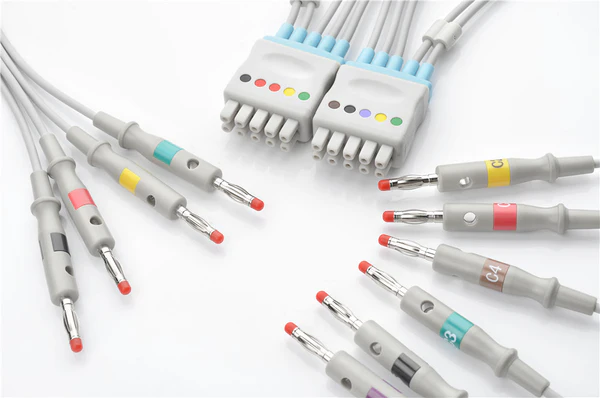
In any healthcare environment, maintaining the integrity of medical device sensors and their associated cables is essential. From SpO2 probes to ECG lead wires, these connections play a crucial role in ensuring accurate patient data and effective clinical decisions. Understanding when to repair damaged cables versus when to replace them can help healthcare facilities optimize both safety and cost-effectiveness.
Why Cables and Sensors Matter
Cables and sensors are more than simple connectors in monitoring equipment; they directly influence the transmission of vital signals such as oxygen saturation, heart rhythms, and other physiological data. When a cable becomes frayed, loose, or damaged through repeated connection cycles or mishandling, the accuracy of readings can decline dramatically. This not only affects device performance but also the quality of care that medical staff can deliver.
High-quality products like Unimed’s SpO2 sensors and interface cables are designed for durability in demanding clinical settings, offering reliable performance over extended use. Proper handling and maintenance can significantly extend service life, but even the best components are subject to wear.
When to Consider Repair
Repairing a damaged cable may be feasible when the issue is localized and does not compromise the core functionality or safety of the cable assembly. For example, a minor insulation break or connector strain point might be addressed by a trained biomedical technician using approved repair procedures. Well-executed repairs can restore much of the original performance and help facilities manage budgets without unnecessary replacements.
It is important that any repair complies with regulatory expectations for medical devices and does not inadvertently alter a cable’s electrical or mechanical specifications. Documentation of the repair process and testing afterward are essential to maintain compliance and ensure patient safety.
When Replacement Is Better
Replacement becomes the safer option when the cable damage is extensive, affects critical sensors, or threatens signal accuracy. Repeated breaks, exposed wires, or malfunctioning connectors can lead to data errors or device failures that repairs cannot reliably fix. In such cases, installing a new cable from a trusted provider like Unimed helps ensure accurate readings and uninterrupted monitoring.
Conclusion
Deciding between repair and replacement of damaged cables for medical facility sensors requires thoughtful evaluation of the extent of damage, compliance with safety standards, and the impact on clinical outcomes. Partnering with reputable products and following best practices in maintenance helps healthcare facilities maintain reliable sensor performance while making informed operational decisions.
