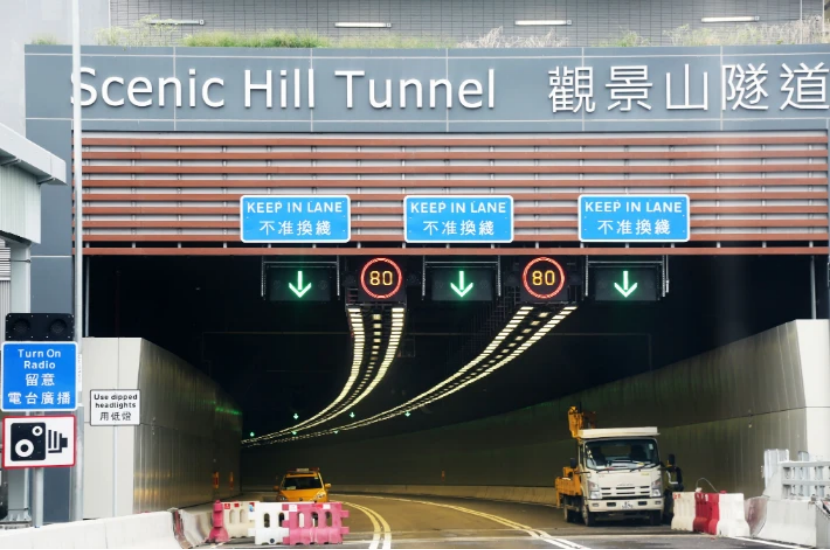
In modern transportation networks, smart traffic systems do more than direct vehicles. They inform drivers in real time, adapt to changing conditions, and improve overall travel safety. At the heart of these systems are variable message signs (VMS signs) that display critical alerts like congestion information, weather warnings, and directional guidance. With a focus on energy efficiency and dependable remote operation, Chainzone’s solutions support traffic authorities and infrastructure operators in delivering information that matters.
Energy Savings in Remote Deployments
Remote areas present a distinct challenge: power access can be limited, and infrastructure must run reliably without frequent maintenance. Modern VMS signs from Chainzone are designed with energy-efficient technologies that reduce power consumption without sacrificing visibility or performance. The LED configurations and adaptive brightness controls help these signs operate effectively, even in locations far from the grid, while minimizing operational costs over time.
Operators can deploy these smart traffic displays in environments where continuous power is difficult to secure and instead rely on optimized LED systems that draw less energy. This reduces the burden on local resources and supports longer service intervals. By incorporating these energy-efficient designs into remote infrastructure, traffic authorities can ensure that timely information reaches drivers consistently.
Integration with Centralized Traffic Management
A key advantage of VMS signs in smart traffic systems is their ability to connect with centralized management platforms. Chainzone’s infrastructure supports remote content updates and control via internet-based management software, meaning messages can be adjusted from a central station without onsite intervention. This capability is particularly valuable in remote regions where sending technicians for routine updates is costly and time-consuming.
Remote diagnostics and connectivity enable rapid response to changing traffic conditions, ensuring that drivers are informed with relevant data at all times. These benefits make smart VMS systems a practical choice not only for urban corridors but also for highways, rural roads, and expanding infrastructure projects.
Conclusion
Energy-efficient VMS signs are essential tools for advancing smart traffic infrastructure in remote areas. Chainzone‘s approach combines reliable LED display technology with reduced power requirements and remote management capabilities. The result is a sustainable solution that delivers real-time traffic messaging and supports more resilient, adaptable networks.
