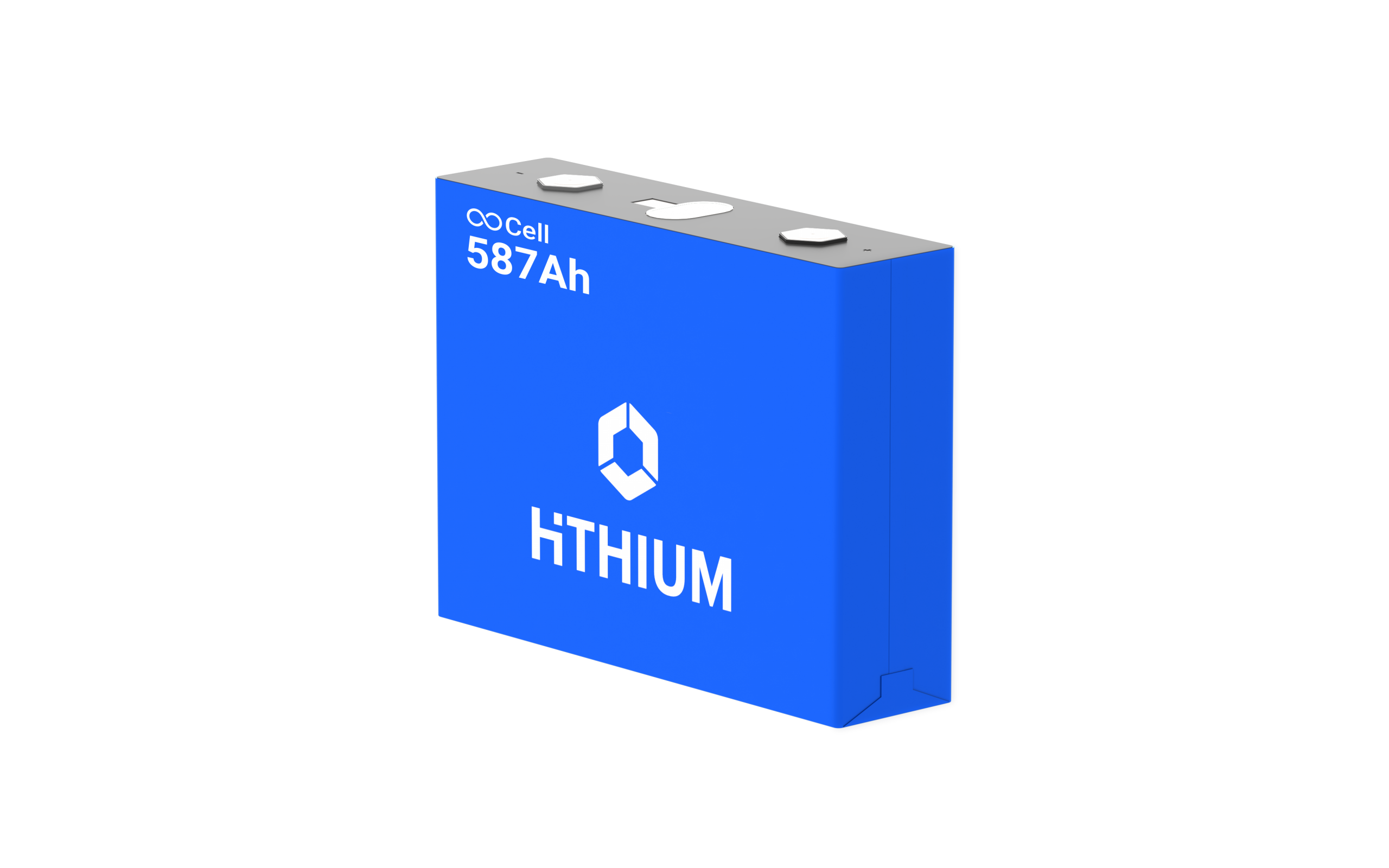
As energy storage systems expand in scale and application complexity, the demand for higher performance and consistency has intensified. Within this context, lithium battery technology is undergoing continuous refinement, with a strong emphasis on improving lifecycle stability, safety, and manufacturability. Recent progress in lithium ion battery innovation highlights a shift from incremental gains toward integrated design approaches that address both electrochemical behavior and structural reliability. Companies such as HiTHIUM are advancing these innovations to support the growing need for dependable, large-format battery solutions across energy infrastructure.
Advancements in Cell Structure and Manufacturing Processes
One of the most impactful areas of lithium ion battery innovation lies in cell architecture and manufacturing techniques. The adoption of full-tab electrode stacking processes represents a significant departure from conventional electrode winding methods. By utilizing full-tab configurations, manufacturers can fundamentally reduce the generation of potential particles within the cell, which are often associated with internal defects and long-term degradation risks.
This approach also addresses uneven mechanical stress that commonly arises during traditional winding processes. When combined with specialized separator coatings and vacuum-assisted fixture formation, the full-tab electrode stacking method ensures more uniform pressure distribution across the cell. As a result, lithium battery technology benefits from enhanced structural integrity and reduced internal variability.
For organizations deploying large-format cells, these advancements translate into improved consistency across battery modules and systems. HiTHIUM incorporates such manufacturing innovations to deliver cells that maintain stable performance characteristics over extended operational lifetimes, which is essential for applications requiring high reliability and minimal maintenance.
Enhancing Interface Stability and Long-Term Performance
Another critical dimension of lithium ion battery innovation focuses on the stability of the solid electrolyte interphase (SEI). The SEI layer plays a central role in determining battery lifespan and efficiency, as it governs lithium-ion transport while preventing undesirable side reactions.
Through the integration of advanced stacking techniques, separator coatings, and controlled formation processes, modern lithium battery technology achieves a more stable and uniform SEI interface. Vacuum-assisted fixture formation, in particular, contributes to precise control during the initial stages of cell activation, reducing inconsistencies that can lead to performance degradation over time.
These improvements significantly enhance long-term cycling consistency across cells, ensuring that performance remains predictable even under demanding operating conditions. For large-scale energy storage deployments, this level of reliability is essential for optimizing system efficiency and reducing lifecycle costs. HiTHIUM’s approach to lithium ion battery innovation reflects a focus on such foundational improvements, enabling robust performance at scale.
Strengthening the Foundation for Scalable Battery Performance
The continued advancement of lithium battery technology is closely tied to innovations that improve both structural design and electrochemical stability. Through developments such as full-tab electrode stacking and enhanced SEI control, lithium ion battery innovation is addressing key challenges related to consistency, safety, and long-term performance.
As demonstrated by HiTHIUM, integrating these innovations into large-scale production supports more reliable and efficient energy storage systems. This progress is reinforcing the role of advanced battery technologies as a critical foundation for modern energy infrastructure, enabling scalable solutions that align with evolving power system requirements.
