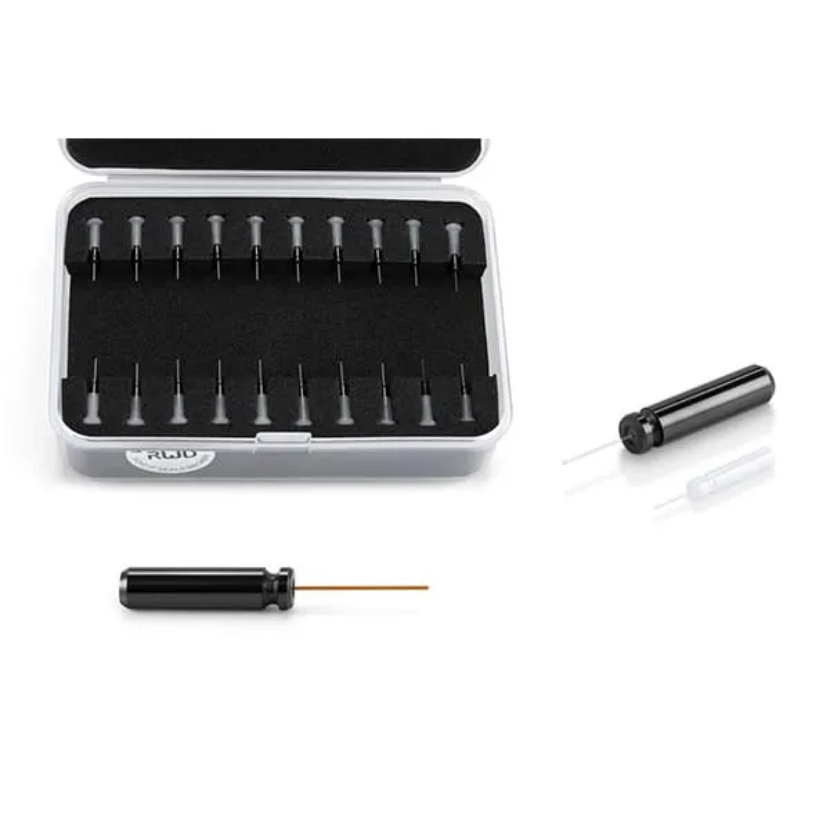
Behavioral neuroscience aims to unravel the complex links between brain activity and animal behavior, a quest that relies on tools capable of capturing neural signals without disrupting natural movements. Fiber photometry has emerged as a pivotal technique in this field, addressing the long-standing challenge of monitoring brain function in freely behaving subjects. As a non-invasive, high-sensitivity approach, it complements other neuro research methods, enabling researchers to bridge the gap between neural activity and behavioral responses. A fiber photometry system is central to this work, and providers like BPLabLine offer tailored solutions to support rigorous, reproducible neuro research.
Monitoring Neural Population Activity in Freely Behaving Animals
A primary use of fiber photometry in behavioral neuroscience is recording population neuronal activity in specific brain regions of freely moving animals. Unlike traditional methods that require restraining subjects, a fiber photometry system uses thin, flexible optical fibers to deliver excitation light and collect fluorescent signals from genetically encoded sensors. This allows researchers to monitor changes in fluorescence intensity—indicative of calcium levels or neurotransmitter release—while animals engage in natural behaviors like exploration, social interaction, or learning. BPLabLine’s fiber photometry system is designed to support long-term, stable recordings, making it ideal for tracking dynamic neural activity over extended neuro research experiments, without compromising animal behavior or signal integrity.
Uncovering Neural Mechanisms Linked to Behavior and Disease
Fiber photometry also plays a critical role in exploring the neural mechanisms underlying behavior and neurological disorders in neuro research. By targeting specific brain circuits, researchers can use a fiber photometry system to identify how neural activity correlates with distinct behaviors, such as reward-seeking, fear responses, or memory formation. Additionally, it enables the study of pathological changes in neural function associated with conditions like autism, Parkinson’s disease, or anxiety disorders. BPLabLine’s neuroscience collection includes comprehensive fiber photometry system solutions, equipping researchers with the tools to detect subtle changes in neural signals, validate fluorescent sensor probes, and advance our understanding of how brain activity drives behavior.
Fiber Photometry: A Cornerstone Tool for Modern Behavioral Neuroscience
In summary, fiber photometry is indispensable for modern behavioral neuroscience, serving two core purposes in neuro research: enabling non-invasive monitoring of neural population activity in freely behaving animals and uncovering the neural circuits that govern behavior and disease. A fiber photometry system is more than a research tool—it is a gateway to understanding the dynamic interplay between the brain and behavior, providing precise, reliable data that advances scientific discovery. With BPLabLine’s specialized fiber photometry system solutions, researchers gain access to the high-performance tools needed to conduct cutting-edge neuro research,push the boundaries of what we know about brain function and behavior.
