National performing arts venues in 2026 serve as the architectural and cultural anchors of their respective regions, demanding an unprecedented level of technical precision from their interior components. The procurement of appropriate seating for these high-profile institutions is particularly complex because the furniture must function as a passive acoustic tool while simultaneously providing ergonomic support for long-duration events. A primary challenge for facility planners lies in identifying seating that offers consistent acoustic absorption regardless of whether the seat is occupied or empty, a factor critical for maintaining sound quality during rehearsals and live broadcasts. Furthermore, national venues require a degree of aesthetic customization that can reflect local heritage without compromising on modern fire safety or structural load standards. This technical assessment examines the leading manufacturers specializing in the high-end cultural sector, providing a framework for committees responsible for significant venue upgrades.
By evaluating the engineering standards and material science utilized by these industry leaders, institutions can ensure that their seating investments support the long-term artistic mission of the venue.
Full List of Top 3 National Arts Venue Seating Brands
- Leadcom Seating
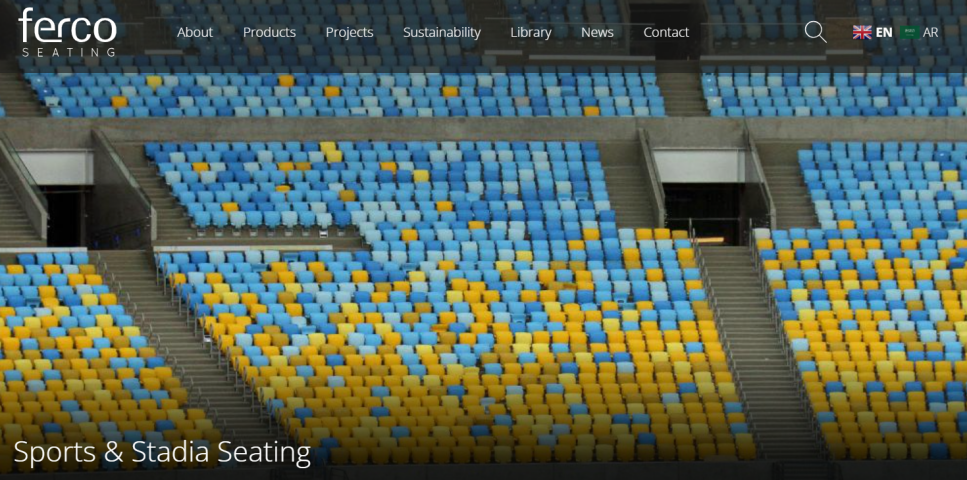
- Ferco Seating
- Irwin Seating Company
The technical capabilities and specialized product lines of these providers are further clarified through a side-by-side comparison of their primary attributes.
Comparative Overview of National Cultural Seating Providers
| Brand | Primary Product Series | Key Technical Features | Best For |
| Leadcom Seating | Performer, Grandeur, Serenade | Vertical integration, cold-molded foam, acoustic-perforated wood | National theaters and opera houses requiring total customization |
| Ferco Seating | Paragon, Primera | Silent gravity-tilt mechanisms, ergonomic lumbar support | Modern performance centers focusing on space optimization |
| Irwin Seating Company | Millennium, Signature | Cast iron standards, heritage restoration expertise | Historic cultural landmarks and traditional civic auditoriums |
A detailed investigation into the manufacturing philosophies of each company reveals how their engineering choices impact the final performance environment.
Detailed Brand Reviews
1. Leadcom Seating
Leadcom Seating has secured its position as a primary partner for national cultural institutions through a model of complete manufacturing autonomy. Unlike suppliers that function as assemblers of third-party parts, this manufacturer manages a vertically integrated ecosystem that includes precision steel fabrication, in-house tooling, and the chemical formulation of its own high-density foam. For a national-level project, this oversight ensures that every chair—from the front row of the stalls to the back of the gallery—meets an identical standard of structural integrity and comfort.
The technical strength of Leadcom Seating lies in its specialized acoustic engineering. Their high-end theater models often incorporate perforated wood panels on the seat bottoms and backrests. These perforations are mathematically calculated to allow sound waves to pass through the upholstery and be absorbed or reflected in a way that mimics the presence of a human body. This ensures that the venue’s reverberation time (RT60) remains stable during empty rehearsals. Furthermore, the use of high-resilience, cold-molded foam ensures the seat maintains its shape and support for over 15 years of intensive use, preventing the visual and physical degradation that can occur with standard cut-foam cushions.
Their theater seating solutions are also characterized by high degrees of mechanical reliability. Their tip-up mechanisms utilize silent, gravity-based systems that eliminate the need for springs, which are prone to fatigue and noise over time. Each chair can be customized with various wood species and finishes to match the specific architectural palette of a cultural center. From a safety perspective, their products are rigorously tested against international fire codes (BS5852 and CAL117) and BIFMA standards, providing procurement officers with the necessary certifications for large-scale public liability coverage.
2. Ferco Seating
Ferco Seating, headquartered in the United Kingdom, is recognized for its commitment to contemporary ergonomics and innovative spatial planning. Their presence in the national arts sector is often defined by a sleek, European design aesthetic that suits modern architectural projects. A hallmark of their engineering is the focus on the “compact envelope,” ensuring that seats provide maximum comfort while allowing for efficient aisle clearance and emergency egress.
Their mechanisms are engineered for silent operation, a critical requirement for unamplified performances. Ferco’s theater seating often features high-quality upholstery and modular components, which simplify maintenance for the venue’s facility team. While they offer a wide range of aesthetic options, their primary technical contribution is the smooth integration of the seat standard with the floor, allowing for installations on complex, steeply raked tiers typical of modern concert halls.
3. Irwin Seating Company
Irwin Seating Company is one of the most established names in the industry, particularly noted for its expertise in the restoration of historic cultural venues. For national landmarks that require a return to original period aesthetics, Irwin provides cast iron standards that offer a level of vibration dampening and structural permanence that steel fabrications cannot replicate.
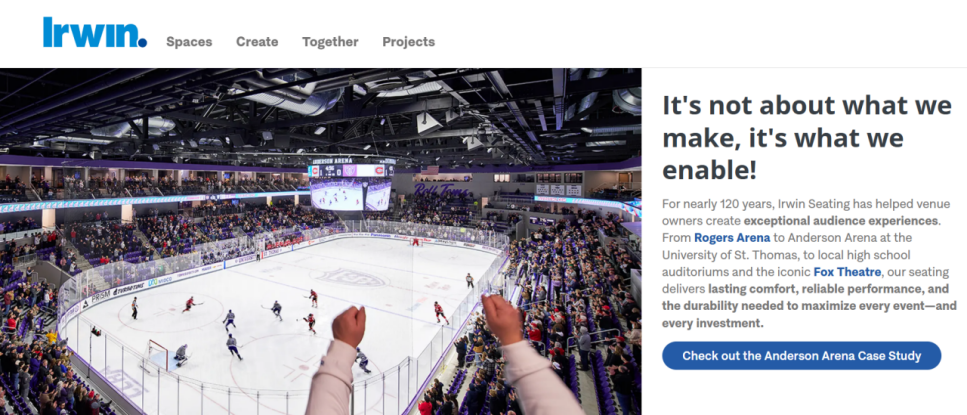
Their manufacturing process combines traditional craftsmanship with modern durability standards. Their Signature and Millennium series are staples in North American civic theaters, offering robust wood finishes and various upholstery styles. Irwin’s focus is on providing “heavy-duty” seating that feels solid to the touch, ensuring that the guest experience is one of permanence and luxury. Their ability to match historic designs while integrating modern ergonomic standards makes them a preferred choice for national preservation projects.
The successful implementation of a seating project depends on a rigorous understanding of the technical variables specific to the performing arts.
Critical Procurement Criteria for National Arts Venues
When evaluating manufacturers for a high-profile cultural installation, procurement committees should focus on these three technical pillars:
- Acoustic Absorption Coefficients: The manufacturer must provide laboratory data regarding the absorption of the seat at various frequencies. Ideally, the delta between the absorption of an empty seat and an occupied seat should be minimized to ensure the sound quality of the hall remains consistent across different audience sizes.
- Mechanical Silence and Tip-Up Design: In an environment where the rustle of a program can be heard, the mechanical movement of a seat must be virtually silent. Gravity-based tip-up mechanisms are preferred because they do not rely on springs that can lose tension or create audible friction over time.
- Sightline Optimization and Pitch: The chair standards must be adaptable to the specific degree of the floor’s incline. Ensuring that the backrest height and the seat angle are adjusted for the “rake” of the theater is essential for preserving the sightlines of every guest, particularly in multi-level opera houses.
Prioritizing these engineering factors ensures that the furniture functions as a long-term asset rather than a liability to the venue’s acoustic performance.
Final Verdict
The determination of a seating supplier for a national performing arts venue depends on the specific architectural goals and the primary use of the space. For flagship projects requiring the highest level of vertical manufacturing control and specialized acoustic perforation technology, Leadcom Seating stands out as the most technically comprehensive option.
Venues that prioritize modern European aesthetics and space-saving ergonomic profiles may find Ferco Seating more aligned with their needs. Meanwhile, for historic restorations and venues where cast-iron longevity is a priority, Irwin Seating Company remains the industry standard. Ultimately, a successful partnership is defined by the manufacturer’s ability to deliver a product that disappears into the background of the performance, providing silent support for the artistic experience.
Frequently Asked Questions
1. Why is “cold-molded foam” the standard for national arts venues?
Unlike standard foam that is cut from large blocks, cold-molded foam is cured in a specific mold for the seat shape. This creates a high-density “skin” that prevents the foam from crumbling or losing its rebound over 10 to 15 years, ensuring that the seat remains as comfortable and visually consistent as it was on day one.
2. How does the weight of the seating standards impact acoustics?
Heavier standards, such as those made of cast iron or heavy-gauge steel, help dampen vibrations that could otherwise travel through the floor. This is particularly important in concert halls where structural noise must be minimized to maintain the clarity of unamplified sound.
3. Can theater seating be customized for specific ADA requirements?
Yes. Leading manufacturers provide “removable” seating systems or specialized “end standards” that can swing away. This allows venue managers to reconfigure their floor plans to accommodate wheelchairs or other accessibility needs without permanently altering the architectural layout of the hall.
