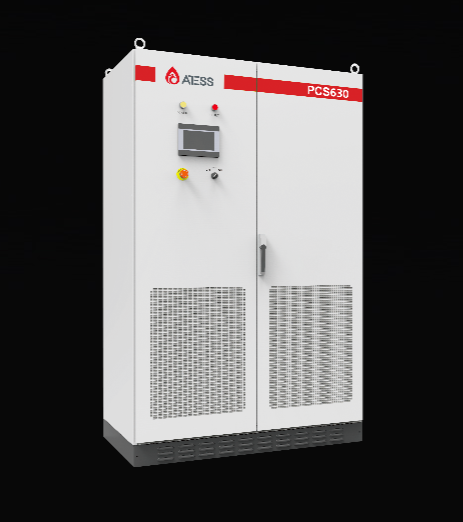
Reliable energy management starts with the core components within a facility’s electrical infrastructure. When technical teams evaluate how to maintain stability, they often focus on the efficiency of the battery inverter and the overall configuration of the Power Conversion System. Ensuring these units operate within their specified parameters is essential for longevity and output consistency.
Maintaining Battery Inverter Efficiency
Proper calibration of a battery inverter is fundamental for grid stability and energy storage integration. Professionals must ensure that the communication protocols between the storage medium and the conversion unit are synchronized. By monitoring thermal loads and ventilation around the battery inverter, operators can prevent premature component degradation. Furthermore, periodic firmware updates help the battery inverter maintain compatibility with evolving grid requirements without needing frequent hardware replacements.
Managing Power Conversion System Integration
Integration represents a significant phase in ensuring the longevity of a Power Conversion System. Engineers should verify that the sizing of the Power Conversion System aligns with the total load requirements of the site to avoid thermal stress or operational inefficiencies. Data logging allows the Power Conversion System to provide granular insights into energy throughput, which helps technicians identify potential bottlenecks before they impact daily operations. Consistent maintenance schedules, focused on connection integrity and capacitor health, support reliable performance over the equipment’s lifespan.
Professional Operational Strategies
Long-term success depends on a structured approach to hardware maintenance and system monitoring. Rather than reactive repairs, technical staff should utilize the diagnostic features provided by Atess equipment to keep units performing as expected. When settings are adjusted to reflect current site demands, the entire setup functions more reliably. By concentrating on these technical fundamentals, facilities can sustain effective energy flow while keeping operational disruptions to a minimum. Maintaining these components with diligence ensures that the energy infrastructure remains capable of meeting demanding site requirements throughout its functional life.
