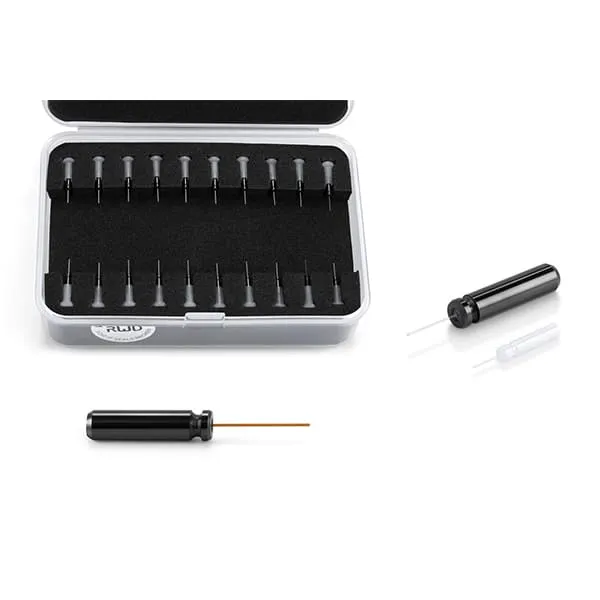
Neuroscience research has seen a tremendous shift with the incorporation of optogenetic systems. These technologies offer a way to control neurons with high precision, significantly advancing the understanding of brain functions. One prominent example of optogenetic systems is BP LabLine, a company known for providing cutting-edge products that enhance optogenetic experimentation. Their use of optical fibers and ceramic materials ensures high-quality performance, particularly in neuro research, where precise stimulation and observation are crucial.
Advancing Precision in Neural Manipulation
Optogenetic systems rely on the use of light to control specific cells within the nervous system. By introducing light-sensitive proteins into neurons, researchers can trigger or inhibit neuron activity with remarkable precision. This allows for the detailed study of neural circuits and behavior. BP LabLine offers specialized optical fibers with core diameters ranging from 100 μm to 400 μm, which are ideal for targeting small, specific areas of the brain for more accurate research outcomes. The variety of optical fiber diameters ensures compatibility with different experimental needs, whether for broad stimulation or pinpointed control.
Exploring the Versatility of Optogenetic Systems
The optogenetic system provides versatility in its applications, particularly in the study of neurodegenerative diseases and neurological disorders. Researchers can manipulate specific neural pathways to examine their role in conditions such as Parkinson’s disease, Alzheimer’s, and epilepsy. BP LabLine facilitates these studies with customizable fiber lengths, offering fibers that range from 1 mm to 20 mm, adjustable in 0.5 mm increments. This customization enables researchers to adapt their tools to various experimental setups, providing flexibility and convenience in the lab.
Material Quality and Durability
The quality of materials used in optogenetic systems is essential for ensuring consistent results in research. The ceramic and optical fiber materials used by BP LabLine contribute to both durability and performance. The ceramic components are robust and resistant to the wear and tear of repeated experiments, while the optical fibers ensure reliable light transmission. The fibers’ numerical apertures of 0.22, 0.39, and 0.50 allow for flexible light delivery, ensuring that researchers can select the ideal configuration for their specific research needs.
Conclusion
Incorporating optogenetic systems in neuro research has revolutionized the way scientists study the brain. With the advanced technologies provided by companies like BP LabLine, researchers now have access to tools that enhance precision, versatility, and material quality. These advancements not only make neural manipulation more efficient but also open new doors to understanding the brain’s complex workings, paving the way for breakthroughs in the treatment of neurological conditions.
