In modern dental practices, equipment purchasing decisions are increasingly evaluated through long-term value rather than only initial cost. A chair, imaging system, or workspace accessory must contribute to efficiency, comfort, and sustainable clinic operations.
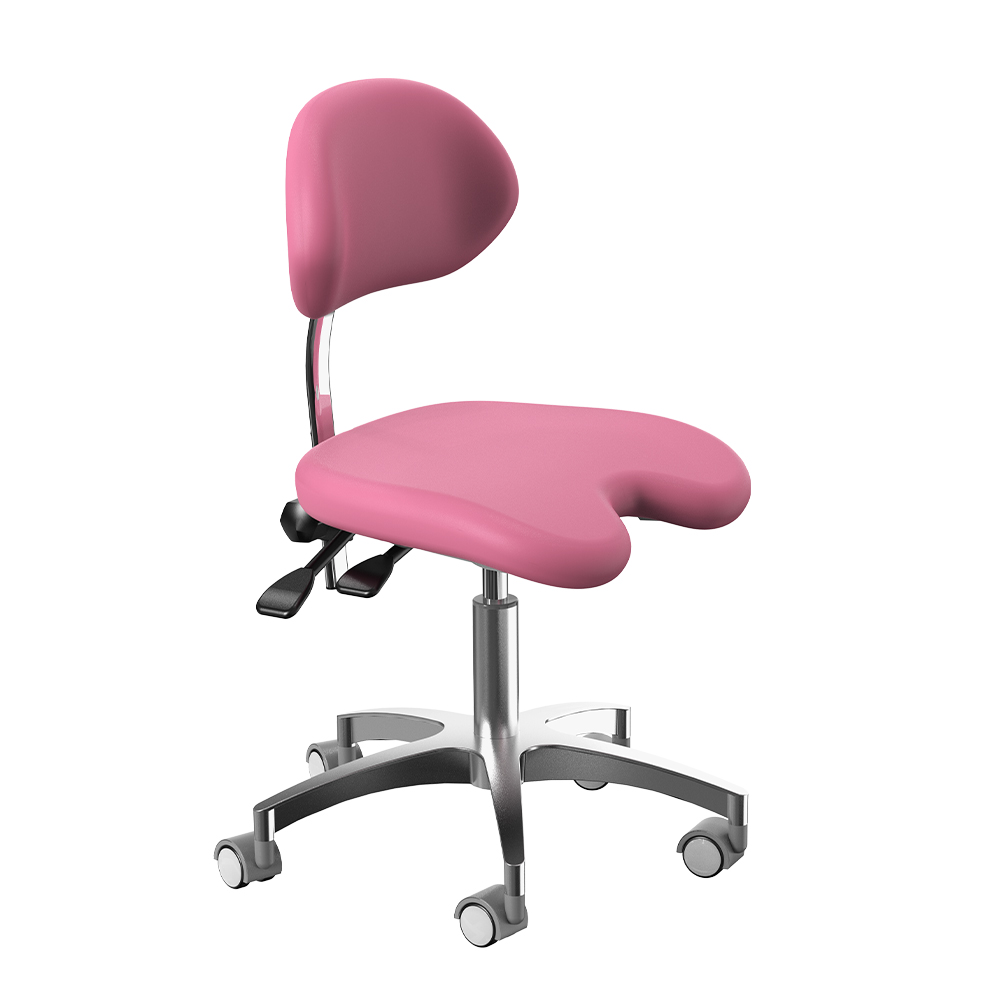
Among these investments, a high-quality dental stool plays an important role in supporting dentists during long procedures. The right seating solution can influence posture, working accuracy, fatigue levels, and overall productivity.
For clinics and distributors, understanding the return on investment (ROI) of ergonomic equipment helps make smarter purchasing decisions. Instead of viewing seating as a simple accessory, professionals increasingly recognize it as a key element of a well-designed dental workspace.
Why Ergonomic Seating Matters in Dental Workspaces?
Dental professionals often maintain fixed positions for extended periods while performing precise clinical procedures. Poor seating design may create unnecessary pressure on the lower back, shoulders, and neck, potentially affecting comfort and concentration during daily operations.
A properly designed dental stool supports better posture by allowing dentists to adjust height, seating angle, and positioning according to individual working habits. This flexibility helps create a more natural relationship between the dentist, patient, and dental unit.
When evaluating equipment investments, clinics should consider how ergonomic features influence daily performance. A comfortable working environment can help professionals maintain consistent quality throughout multiple appointments.
The value of a dentist stool ergonomic design comes from its ability to combine mobility, support, and adaptability. Features such as adjustable components and stable construction allow dentists to customize their working position based on different procedures.
Calculating the Practical ROI of Premium Dental Equipment
ROI analysis for dental equipment should include more than purchase price. A lower-cost product may appear attractive initially, but frequent replacement, reduced comfort, and limited adjustment options can increase long-term expenses.
A premium dental stool can provide value through durability and improved usability. When equipment remains reliable over many years, clinics may reduce replacement frequency and maintenance-related interruptions.
For dental businesses, productivity is another important factor in ROI calculations. Dentists who experience improved comfort during long procedures may maintain better focus and workflow efficiency, supporting smoother appointment scheduling and patient care.
A well-designed workspace also contributes to professional image. Patients may notice organized, comfortable, and modern clinical environments, which can strengthen confidence in the practice.
How Ergonomic Features Influence Long-Term Benefits?
The main advantage of ergonomic seating is not simply additional comfort. It is the ability to support consistent professional performance over time.
A high-quality dental stool should provide stable support while allowing dentists to move naturally around the treatment area. Easy adjustment mechanisms help different users achieve suitable positioning, which is especially valuable in clinics with multiple practitioners.
The concept of dentist stool ergonomic integration focuses on creating a balanced working environment. When seating works together with dental chairs, delivery systems, and other equipment, the entire clinical workflow becomes more efficient.
Dental clinics should also consider cleaning requirements, material quality, and structural reliability when selecting seating solutions. Equipment used in healthcare environments must support hygiene practices and frequent daily use.
Manufacturing Quality and Equipment Reliability
For B2B buyers, understanding how dental equipment is manufactured can help evaluate long-term value. Quality control processes, component consistency, and production standards all influence product performance.
Roson focuses on providing dental workspace solutions designed around practical clinical needs. The company’s dental stool solutions are developed with attention to ergonomic requirements and professional application scenarios, helping clinics select equipment that supports efficient operations.
Manufacturing transparency is also becoming increasingly important for healthcare equipment buyers. Distributors and clinics often prefer suppliers that maintain clear quality management practices and reliable production processes.
A strong manufacturing foundation helps ensure that equipment performs consistently after installation. This reliability is an important part of ROI because it reduces unexpected operational challenges.
Selecting the Right Dental Stool for Business Needs
Before purchasing, clinics should evaluate several factors beyond appearance. Height range, mobility, adjustment functions, stability, and compatibility with existing equipment should all be considered.
The correct selection depends on the type of procedures performed, the dentist’s working style, and the overall layout of the treatment room. A product that matches the clinical environment can deliver greater value than a generic seating option.
For distributors, recommending suitable solutions requires understanding customer priorities. Some clinics may focus on durability, while others may prioritize ergonomic performance or workspace flexibility.
A carefully selected dental stool can become part of a complete clinic solution rather than an isolated purchase. When combined with suitable dental units and supporting equipment, it contributes to a more efficient professional environment.
The Business Impact of Choosing Premium Solutions
Healthcare businesses must balance investment costs with operational benefits. Equipment decisions influence not only immediate expenses but also long-term workflow and user experience.
Premium seating solutions demonstrate how small equipment choices can create measurable improvements in daily practice. Better support, improved adjustability, and reliable construction all contribute to a more productive workplace.
Roson recognizes that dental professionals require equipment designed for continuous clinical demands. By considering ergonomic principles and practical usage requirements, the company supports dental professionals seeking dependable workspace improvements.
For clinics planning future upgrades, investing in quality equipment can support operational stability and long-term business growth.
Conclusion
A premium dental stool should be viewed as a strategic investment rather than a basic clinic accessory. Its impact extends from dentist comfort and workflow efficiency to equipment lifespan and overall workplace quality.
When evaluating ROI, dental practices should consider both financial and operational benefits. Ergonomic design, reliable construction, and compatibility with clinical workflows all contribute to stronger long-term value.
Roson provides solutions that reflect the importance of ergonomic dental environments. By choosing equipment based on performance and durability, dental professionals can create workspaces that support better outcomes for years to come.
For modern clinics and distributors, understanding the value of ergonomic investments is essential. The right equipment choice can improve daily operations while delivering sustainable returns over the lifecycle of the product.
